

Greek wines do not ask for permission. They does not chase trends. They are not loud, but they do impress. They are refined and they have endured centuries of enjoyment.
To drink Greek wines are not to participate in fashion. It is to participate in history, geography, and appreciation of such a longstanding craft. Greek wines are not born from excess or forced mass production from outside investors, but from necessity, from continuity. An appreciation of where these roots came from and to continue the art as long as possible.
Long before wine became a lifestyle accessory, it was a civilizing force in Greece, woven into the countries rituals, laws, philosophies, trades, and daily life.
Ancient Greece developed the very framework through which we still understand wine today: appellations, vineyard classification, regulated trade, and even professional wine services.
Wine is part of the fabric of the culture.
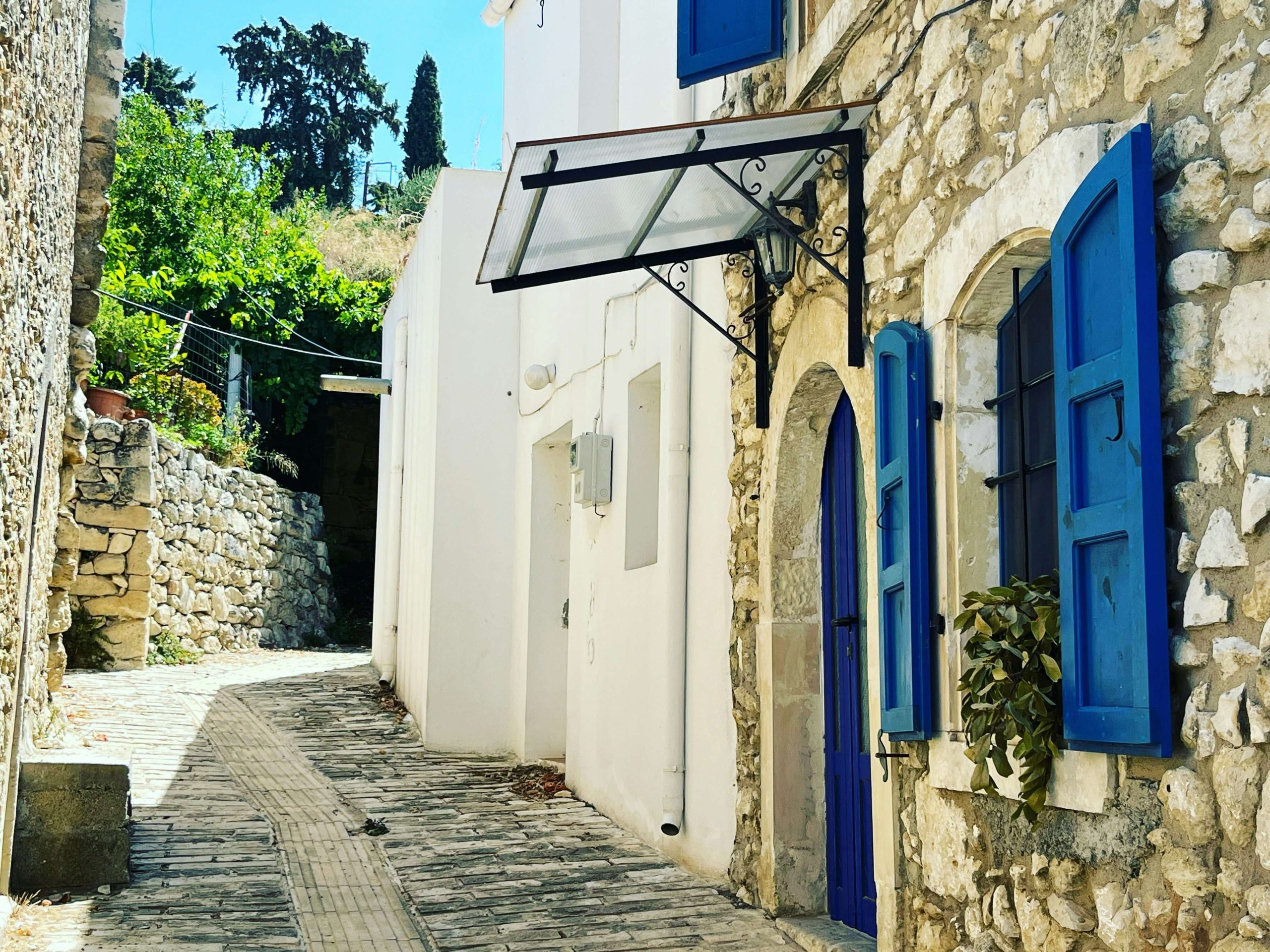
An Unbroken Lineage: 3,500 Years and Counting
Unlike many great wine nations whose histories were fractured by war or industrialization, Greece possesses something exceedingly rare, a continuation of tradition.
Nowhere is this more evident than Santorini, home to one of the world’s oldest continuously cultivated vineyards. The island’s own-rooted vines, trained into low, circular basket shaped vine (called kouloura) to protect against wind and sun, are free from phylloxera (insects that damage wine vines) and date back more than 3,500 years. They are living monuments, not museum pieces. A look from the past and connection to the present.
Across the country, historic vineyards persist in environments naturally hostile to vine pests, allowing Greece to farm with minimal intervention. As a result, a significant portion of Greek vineyards are ideally suited to organic, biodynamic, or low-intervention viticulture. Typically other wineries and producers would have this all over the labels of their bottles as a marketing stance, but Greek wines live in a more practical reality shaped by its sometimes steep and vast geography.
This is sustainability that is without slogans.
A Modern Renaissance With Strong Ties To History
Over the last three decades, Greek winemaking has undergone quite a bit of transformation. Experts and enthusiasts are investing their time, new processes and optimizations into local vineyards, cellar practices, and identity. Temperature control has arrived. Stainless Steel has arrived. Precision has replaced potential approximation. Indigenous grapes are being re-examined rather than abandoned.
The result? Greek wines today compete head-to-head on quality with any established wine nation without surrendering their unique varietals and character.
Value Without Compromise
In a global market where pricing often reflects branding budgets more than intrinsic quality, Greek wine remains refreshingly grounded. Many Greek wines that would command two or three times the price if produced in other countries. Every dollar spent on Greek wine buys more identity, more terroir, and more intentionality per glass.
Greek wines definitely punch above their weight.
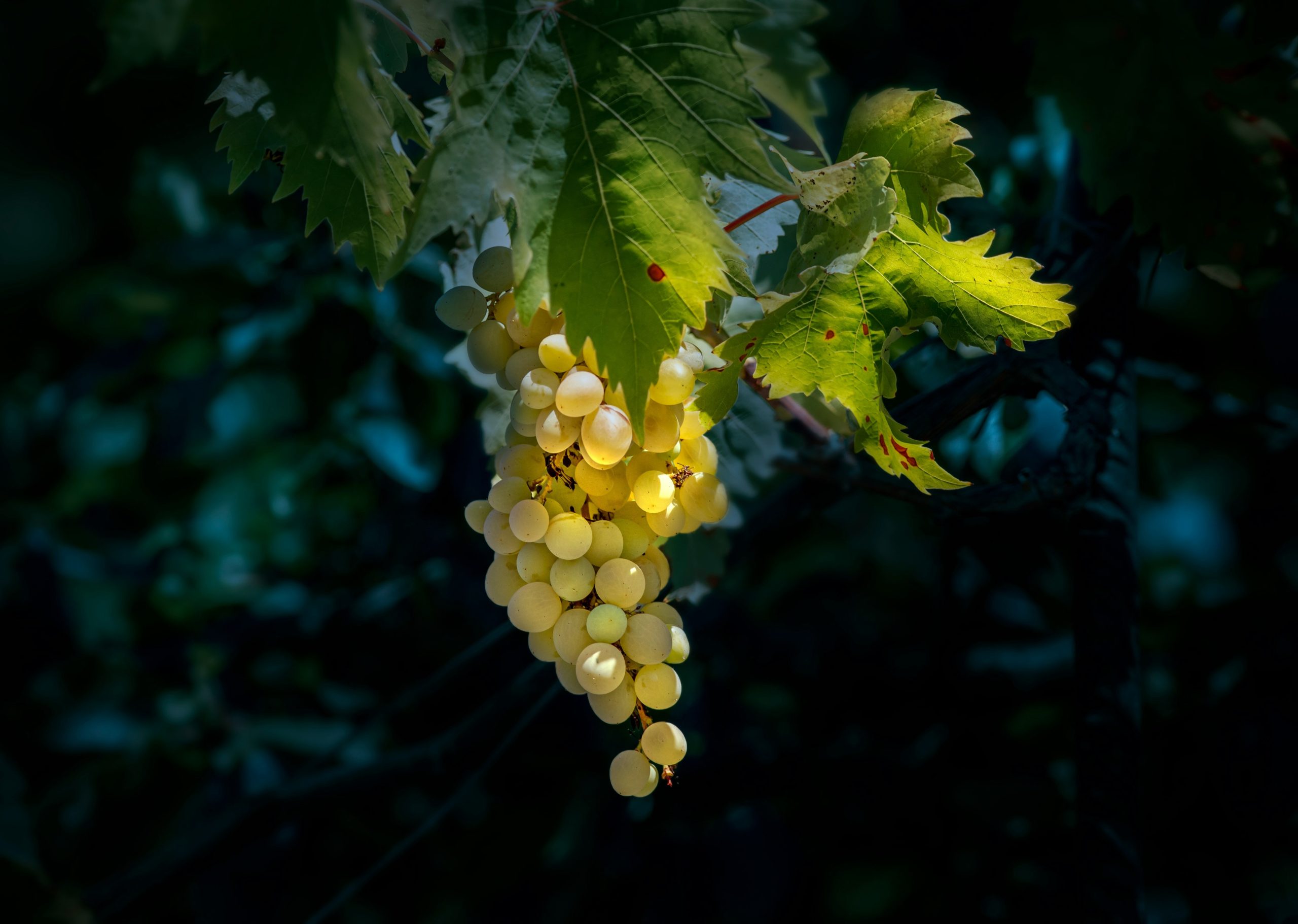
Wine Terroir as Translation
Greek wine is less about a unified style and more about place, wind, altitude, exposure, soil, and sea.
Few countries offer such dramatic terroir variation within such proximity. Mountains rise abruptly from coastlines. Vineyards climb to 1,000 meters above sea level. Volcanic islands sit with relentless winds.
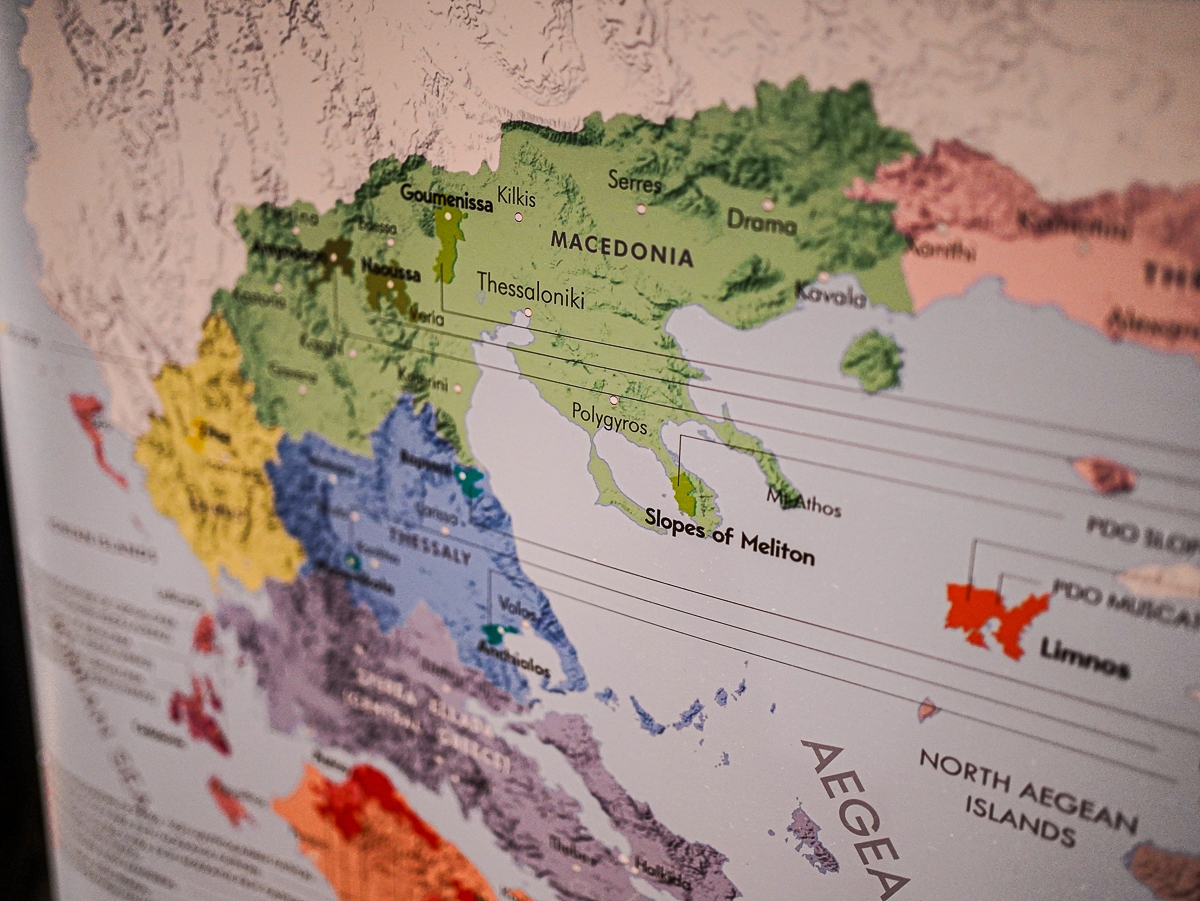
Decoding Wine Regions in Greece
Macedonia
One of the most popular regions and the backbone of Greek reds. Xinomavro dominates the structured, savoury, and often compared to Barolo for its tannin structure.
Thrace
A rising star on the wine scene. The cooler climate and increasing international influence producing aromatic whites and refined reds.
Epirus
Mountainous and full of elevational changes. Home to Debina, a high-acid white ideal for crisp still wines and increasingly compelling Greek sparkling wines.
Thessaly
Full of history but changing with renewed focus on indigenous varieties like Limniona, producing balanced, elegant reds.
Central Greece (Attica)
A refined area for winemaking. Savatiano shines when grown in cooler sites, clean, food-friendly, and quietly sophisticated.
Peloponnese
One of Greece’s most diverse wine regions. Agiorgitiko delivers plush, generous reds, while Moschofilero offers aromatic freshness with the wines it produces.
Ionian Islands
The island nature and surrounding coastlines influence the acidity of the wines that come from Ionian Islands. Robola of Cephalonia stands out for citrus-driven whites.
Aegean Islands
Volcanic with a rougher terrain. Assyrtiko from Santorini is legendary for structure and character.
Crete
An Ancient drawn environment. Aged vines, modern confidence. Indigenous grapes like Vidiano, Liatiko, and Dafni are leading a renaissance of aromatic wines that include complexity.
Indigenous Grapes, Global Language
Greek wine’s strength lies in its natural varietals.
Greek wine is less about one style, and more about showcasing and appreciating the wines from Greece’s changing geography.

The Main Classic Types of Greek Wines
Agiorgitiko
Pronounced: Ah-yor-YEE-tee-koh
A fruit-forward red with soft tannins, ripe red berries, and an almost warming spice to it. They can range from easy-drinking to oak-aged and structured. Round mouthfeel, approachable flavour, and generous fruit make it very Merlot-like in style.
Comparable to: Merlot, Grenache, or a softer Zinfandel
Assyrtiko
Pronounced: Ah-SEER-tee-koh
Dry whites with high-acid, minerality, notes of citrus and freshness even in hot climates. Think Chardonnay without the butter, razor-sharp, mineral-driven, and pairs wonderfully with food.
Comparable to: Chablis (Chardonnay), Sancerre, or Albariño
Malagousia
Pronounced: Mah-lah-goo-ZYAH
Expressive white wine with hints of stone fruit, tropical notes, herbs, and a rounded, almost creamy palate. Aromatic richness meets balance, complex but not heavy.
Comparable to: Unoaked Chardonnay, or Gewürztraminer (dry)
Moschofilero
Pronounced: Moss-koh-FEE-leh-roh
Aromatic and light white wine with floral, citrus, and has a crispness to it. Bright and lift make it a crowd-pleaser for Sauvignon lovers.
Comparable to: Sauvignon Blanc, Pinot Gris, or dry Riesling
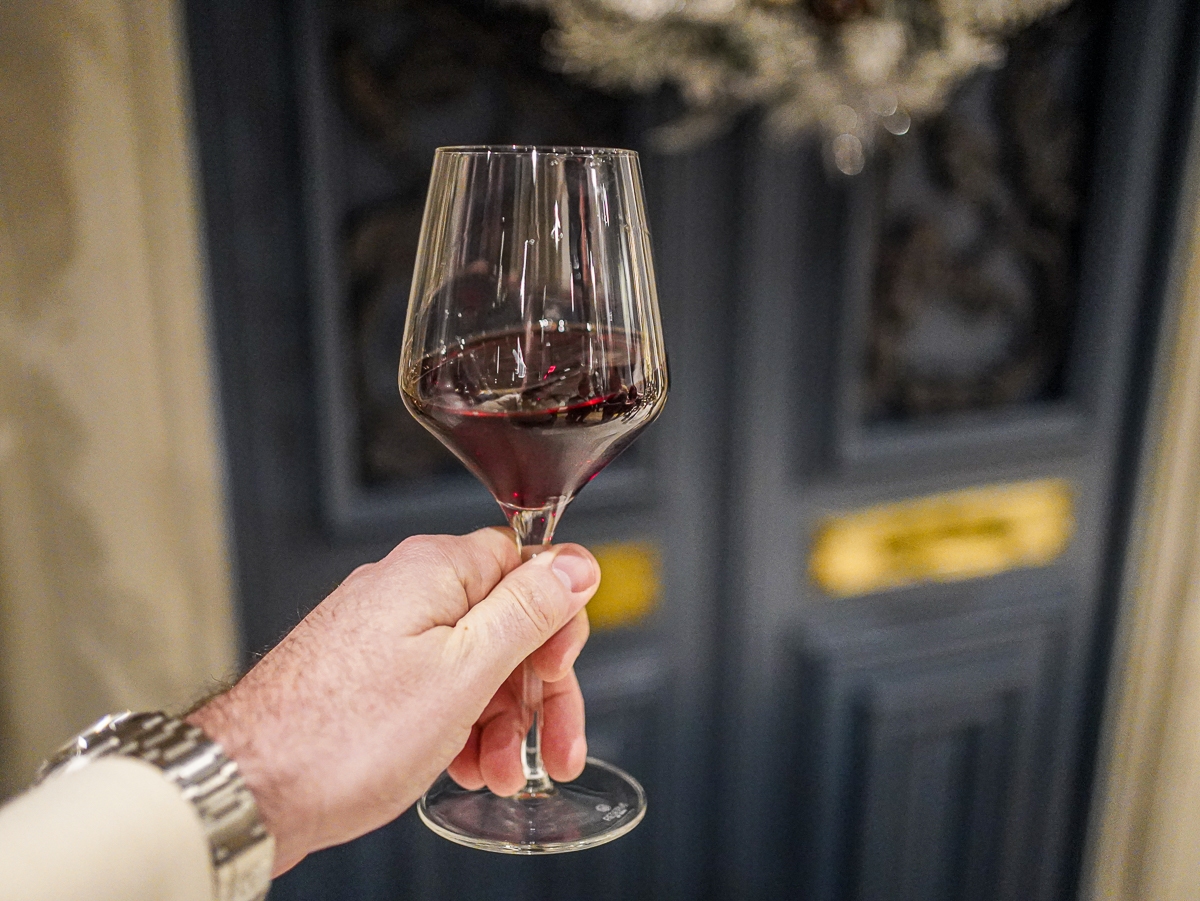
Xinomavro
Pronounced: KSEE-noh-MAH-vroh
Structured, age-worthy red with firm tannins, red fruit and a earthy complexity. A serious cellar-worthy wine.
Comparable to: Barolo (Nebbiolo) or Barbaresco
Savatiano
Pronounced: Sah-vah-tee-AH-noh
Traditional and elegant white wine grown in cooler sites. Has hints of fresh fruit and showcases a surprising balance. Subtle, food-friendly, and versatile, an everyday white white done well.
Comparable to: Pinot Grigio, Trebbiano, or restrained Chardonnay
Authenticity as the Final Word
Greek wine today is not trying to be French, Italian, or anything else.
It is authentic, sustainable, and exceptional, shaped by 33 PDOs (Protected Designation of Origin), 114 PGIs (Protected Geographical Indications), and a growing category of varietal wines that allow producers creative freedom without losing their important identity.
This is wine that respects tradition, recognizes it and embraces it. Wine that speaks of land, not ego. Wine that values diversity over wine like everyone else.
Greek wine it’s almost like stepping into a new world. Different flavours, characteristics, and naming. I guarantee that if you bring a bottle of Greek wine to the party, people are going to be curious and will want to experience it for yourself.
We hope this guide helps you learn more about Greek wines, their importance and you feel compelled to seek a bottle for yourself. Use this a guide to reference anytime you need to compare flavours and enjoy your next glass of Greek wine.
To learn more about the Wines of Greece, please visit their website.
Please enjoy responsibly.
Photos: Wines of Greece
Read More Canadian Luxury Stories